How Does It Work?
1. Initial conversation
After you contact us, we will schedule a short call to understand your needs.
We’ll ask about:
Your team
The type of work being done
Where communication is slowing things down.


2. On-site observation
We visit your workplace to see communication in real time. We observe the interactions your employees have throughout the day and identify what language is missing to support those interactions.
We look closely at the tools, equipment, and materials your team uses, and identify the words and phrases employees need to complete tasks accurately and efficiently.
We also pay attention to how instructions are given, what employees are expected to report, and how they respond in the moment.
This allows us to map out the specific communication patterns your team relies on and where breakdowns are happening.
3. Program design and scheduling
Based on what we observe, we build a targeted training plan around your specific communication challenges.
Every workplace is different, so training is designed to reflect your environment, your workflows, and the way your team communicates day to day.
This includes job-specific vocabulary, common instruction patterns, and scenario-based practice using real situations from your workplace.
We also work with you to identify a realistic timeframe that fits your operation and delivers results.
For example, some clients choose a shorter, more intensive approach, while others prefer a few hours per week over two to three months.
We work with you to plan group sizes and a schedule that fits your operation.
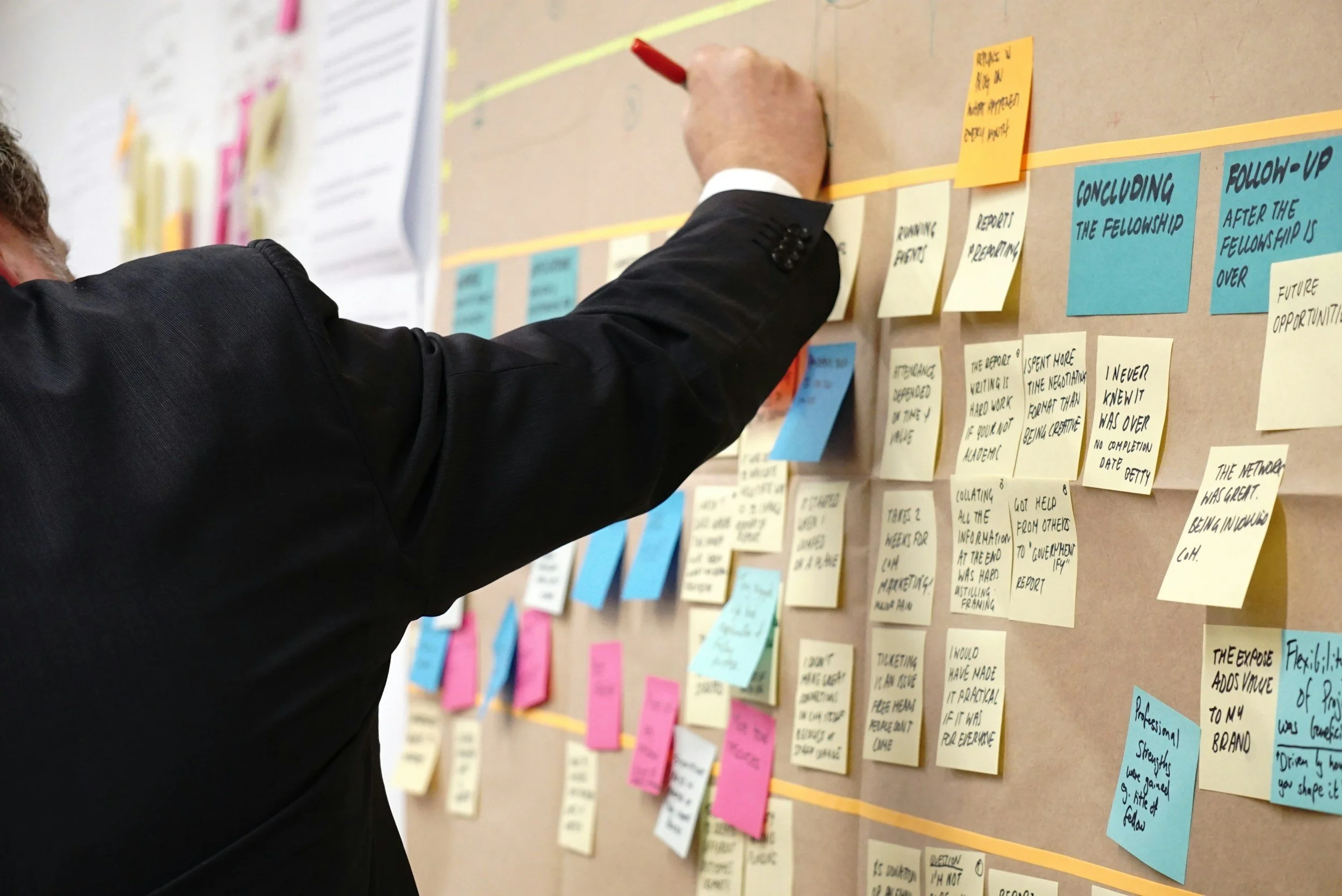
We conduct on-site training sessions focused on practical use.
(This will not be a standard English class where employees learn grammar terminology or work through generic exercises.)
Instead, we focus directly on the words, phrases, and sentence structures your employees need to understand and use on the job.
Employees practice how to follow directions, ask for clarification, report issues, and respond in the moment.
The goal is immediate application. What is learned in training is designed to be used the same day on the job.
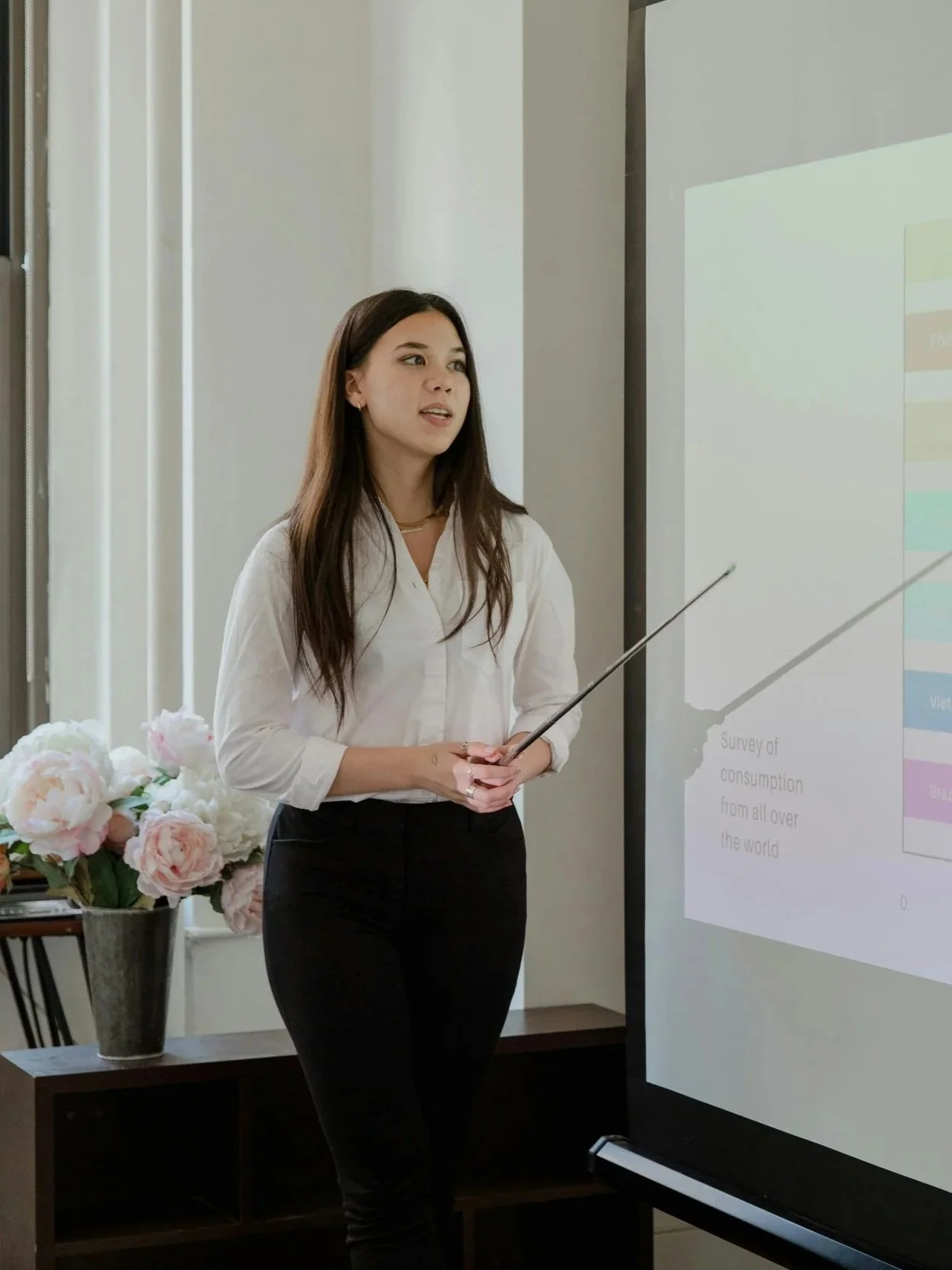
4. Training delivery
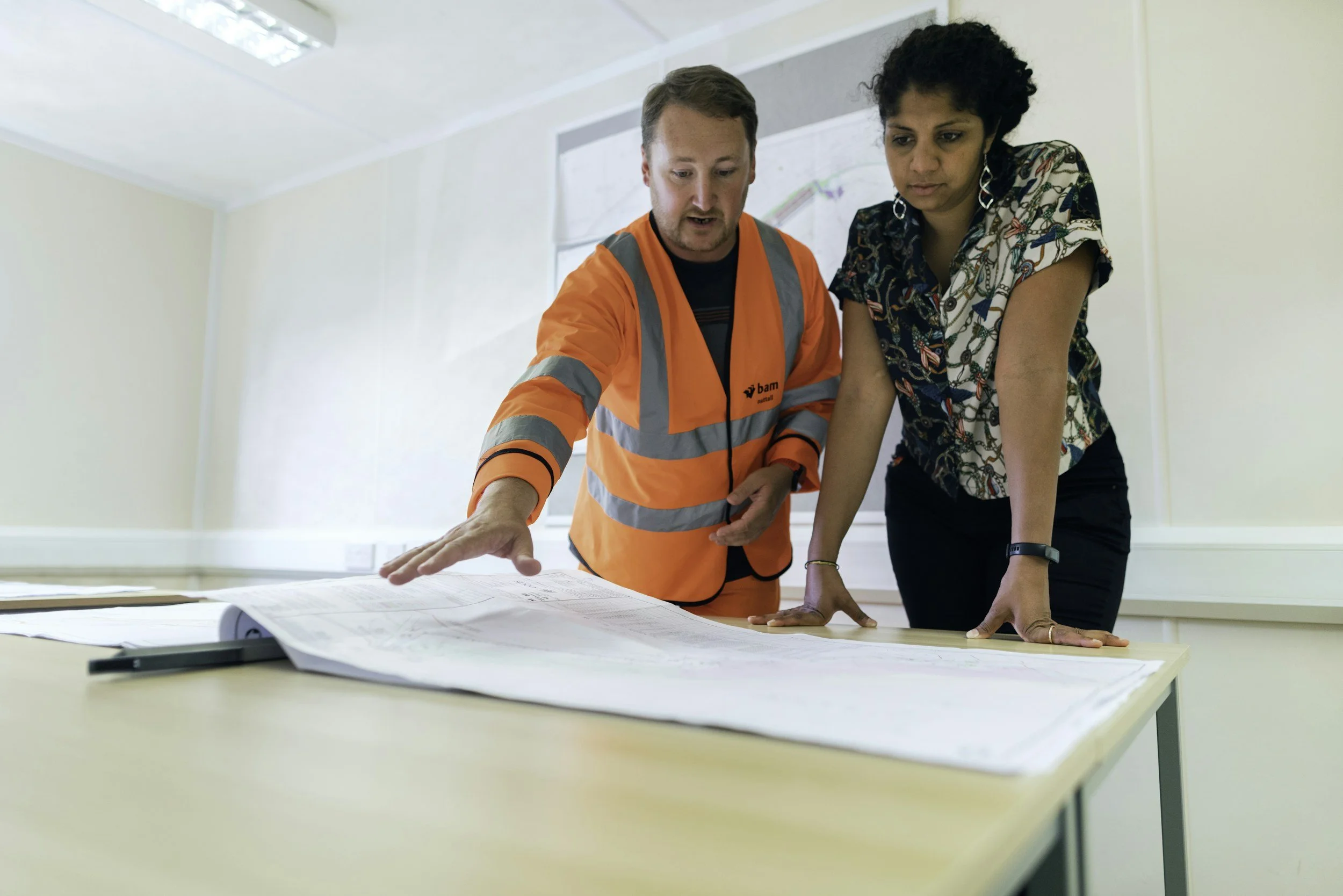
5. Assessment and adjustment
We track progress throughout the program using simple, practical assessments tied to real workplace tasks.
We also gather feedback directly from employees on which aspects of communication they want more support with. This might include understanding certain types of instructions, asking questions more clearly, or handling specific situations on the job.
Based on both performance and feedback, we adjust the training to focus on the areas that will have the most immediate impact.
At the end of the program, you receive:
A summary of progress
Key improvements
Remaining areas to address.
We also offer an optional session for English-speaking team members focused on how to communicate more effectively with coworkers who have limited English proficiency.
This includes common areas where non-native speakers may struggle, such as grammar patterns, pronunciation, and accents, along with practical strategies to reduce misunderstandings on the job.